Themed Garden Designs: Ideas for Sensory, Zen, Cottage, and Kids' Gardens
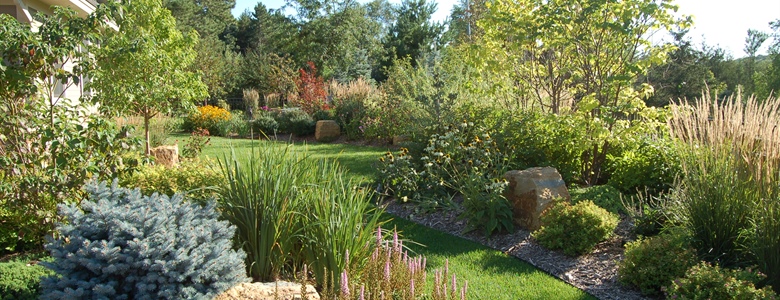
Themed garden designs bring personality, intention, and function to outdoor spaces. Instead of random plantings or disconnected layouts, themed gardens provide a cohesive experience where every choice — from plant selection to pathways — supports a unified concept.
Whether you're looking to stimulate the senses, craft a peaceful sanctuary, or make your yard more engaging for children, themed garden planning creates a space that feels deliberate and alive. These designs offer homeowners a unique way to express creativity, reflect personal interests, and elevate the functionality of their landscape.
Each themed garden has its own visual and experiential identity. For those interested in immersive landscapes, sensory gardens blend fragrance, texture, taste, and color into a multi-dimensional outdoor experience. Meditation and Zen gardens promote quiet reflection with design principles rooted in simplicity and harmony. Whether you’re starting from scratch or refining a current layout, exploring these unique styles can reshape the way you think about gardens.
In this article, MH3 Design Group walks you through how to approach five of the most inspiring themed garden styles. From sensory and Zen gardens to color-coordinated landscapes and educational play areas, you’ll find detailed guidance on how to make your vision a reality!
Sensory Garden Design: Choosing Plants for Sight, Smell, Touch, and Taste
Creating a sensory garden involves selecting plants and design elements that engage all five senses, transforming a typical garden into a therapeutic and immersive environment. Sight is stimulated by vibrant colors, contrasting textures, and dynamic seasonal interest. Plants like coleus, salvia, and ornamental kale offer rich foliage and bold hues, while structural elements such as winding paths and layered planting arrangements enhance visual impact. Carefully arranging plants by height and bloom cycle also helps maintain visual appeal throughout the year.
For scent, fragrant herbs and flowers provide a powerful sensory experience. Lavender, gardenia, jasmine, and rosemary are popular choices due to their strong, pleasant aromas. These can be grouped near seating areas or entrances to create immediate olfactory engagement. Touch can be introduced through textural contrasts—think lamb’s ear for its softness, ornamental grasses for movement, or succulents for their smooth, waxy surfaces. Designing these features within reach encourages interaction and exploration, especially for therapeutic or educational use.
Incorporating taste involves edible plants such as mint, basil, thyme, or even strawberries and cherry tomatoes. These plants serve both culinary and sensory functions and are best placed near walkways or patios for easy access. Combining these sensory elements elevates a garden into a living experience. When curated intentionally, gardens that stimulate the senses can be calming, energizing, or restorative, depending on the user’s goals.
Design Principles for Meditation and Zen Gardens
Meditation gardens, often inspired by traditional Japanese Zen aesthetics, are designed to create a space of reflection, tranquility, and mental clarity. These spaces typically feature elements such as raked gravel, moss, stone arrangements, and minimalist planting schemes. The simplicity of a Zen garden encourages mindfulness and removes distractions. Gravel or sand raked into linear or circular patterns symbolizes water flow and promotes contemplation. Stones are placed with intention, often in groups of odd numbers, to maintain visual balance and natural flow.
Plant selection in Zen gardens is minimal and purposeful. Mosses, ferns, and evergreens dominate the plant palette due to their subtle color shifts and low maintenance. Bamboo screens or fencing provide privacy and rhythmic sound, enhancing the garden’s role as a refuge. Water features such as a basin or small pond introduce a gentle auditory element, aiding relaxation. Each component — whether a boulder, lantern, or path — is chosen for symbolic value and spatial harmony, echoing the garden’s underlying purpose: serenity.
Integrating Zen principles with landscaping in urban or suburban settings is achievable through scaled-down versions of these elements. Using natural materials, asymmetry, and negative space helps maintain the meditative atmosphere. Lighting should be minimal, and focal points like sculptures or small shrines can center the design. This approach supports both spiritual practice and stress reduction in daily life.
How to Design a Cottage Garden with Rustic Appeal
Cottage gardens evoke charm and informality with their dense, layered planting style and use of classic, heirloom blooms. Traditionally, these gardens feature a mix of flowering perennials, climbing vines, fruiting plants, and herbs, all interwoven to create a lush and romantic environment. Signature plants include hollyhocks, delphinium, foxglove, and lavender. These gardens thrive on visual abundance and irregularity, with pathways often framed by spilling blooms and vintage-style edging materials like stone or brick.
Hardscape elements play a significant role in supporting the rustic look. Winding gravel paths, handmade trellises, and weathered benches anchor the space and guide movement. Garden structures such as arbors or picket fences further reinforce the theme, offering vertical support for climbing roses or clematis. Planting is typically informal and deliberately unstructured — no rigid rows or harsh lines — mimicking the organic sprawl of traditional English gardens.
This type of garden design benefits from thoughtful layering — starting with a backbone of shrubs and ornamental grasses, then filling in with perennials and groundcovers. Edible plants like rhubarb, kale, and herbs integrate seamlessly with flowering species, adding utility to the aesthetic. Although cottage gardens appear spontaneous, they require knowledge of plant spacing, bloom timing, and maintenance. When approached strategically, the result is a garden that looks effortlessly beautiful and timeless.
Planning a Color-Themed Garden: Strategies for Harmonized Design
Color-themed gardens organize plantings by hue to achieve visual unity, emotional tone, or a striking focal impact. Whether aiming for a calming monochromatic scheme or a high-contrast complementary palette, success lies in understanding color theory and plant compatibility. Monochrome gardens — such as all-white gardens — offer elegance and simplicity, while analogous themes like blues and purples create cohesion and tranquility. Complementary schemes like yellow and purple can deliver energetic visual pop when balanced well.
When planning, start with anchor plants that dominate the color range and support them with foliage and flower shapes that reinforce the palette. Ornamental foliage, such as silver-leafed artemisia or dark-leaved heuchera, enhances consistency between bloom cycles. Gardeners should also consider seasonal succession; for example, tulips in spring, echinacea in summer, and mums in fall can preserve color continuity throughout the growing season. Groundcovers, edging plants, and hardscape materials should echo the color scheme to complete the effect.
Lighting and backdrop play critical roles. Fences, trellises, or retaining walls painted in supportive hues can amplify color coherence. Shade and sun exposure affect perceived color intensity, so garden layout should align with environmental conditions. Carefully planned color-themed gardens offer more than visual appeal, as they can reflect personal identity and artistic sensibilities when executed with precision and awareness.
Designing Children’s Gardens that Encourage Play and Learning
A children’s garden should be interactive, safe, and stimulating, inviting exploration while nurturing curiosity. Incorporating multi-sensory plants like lamb’s ear, lemon balm, and sunflowers encourages tactile and visual engagement. Edible elements such as cherry tomatoes, strawberries, and snap peas offer both fun and educational value. Raised beds at child-friendly heights promote hands-on participation, while pathways of mulch or stepping stones guide navigation and establish zones for different activities.
Incorporating themed zones — such as a fairy garden, digging patch, or pollinator area — keeps the space dynamic. Adding whimsical features like painted rocks, insect hotels, and weatherproof musical instruments boosts imaginative play. Water play areas, such as shallow basins or hand pumps, support sensory development and natural science learning. The goal is to create a garden that grows with the child, offering seasonal variety and ongoing discovery.
Safety is paramount: avoid toxic plants, ensure sturdy edging, and provide shaded resting zones. Seating areas for adults promote supervision and shared activities, while signage or garden labels can help develop literacy and environmental awareness. By designing with children’s developmental stages and interests in mind, the garden becomes an evolving learning lab, play space, and bonding environment — distinct from, yet integrated into, the broader residential landscape offered by MH3 Design Group.
How MH3 Design Group Brings Your Themed Garden Vision to Life
Themed gardens are more than design trends — they’re intentional expressions of lifestyle, sensory experiences, and environmental interaction. At MH3 Design Group, we specialize in translating these garden concepts into reality with custom landscaping services tailored to each client's goals and space.
To begin shaping your outdoor space into a garden that aligns with your unique theme, be it for taste, tranquility, education, or visual impact, schedule a free design consultation or call us directly at 763-400-3944 to talk through your vision with our expert team!