The Allure of Fire Pits in Home Landscaping
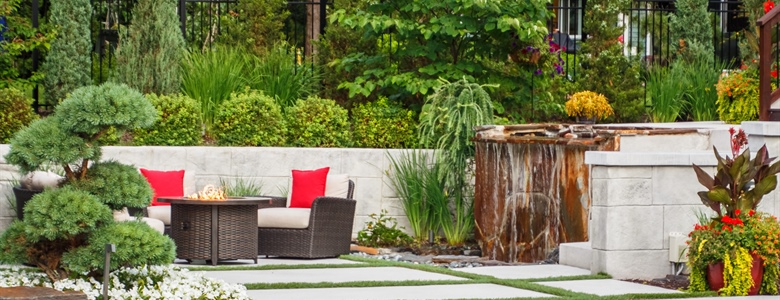
There’s something undeniably captivating about the flicker of flames on a crisp evening. Fire pits have moved beyond being a mere backyard novelty — they’ve become a staple in modern luxury landscapes.
Whether built for ambiance, warmth, or gathering, fire pits create an instant focal point in outdoor spaces, drawing people together and enriching the overall atmosphere. As homeowners continue to elevate their exterior spaces, the fire pit has earned its place as a defining feature in thoughtful and refined landscape design.
Their appeal lies in both function and form. Fire pits aren’t just about providing heat — they frame conversations, extend seasonal usability of your backyard, and add architectural value to a space. With the right design and integration, a fire pit can enhance the aesthetic flow between home and nature. MH3 Design Group understands the significance of such elements in landscape planning and brings decades of craftsmanship to every project they take on in Plymouth, MN.
As we explore the allure of fire pits in home landscaping, we’ll examine five essential aspects that influence design decisions and elevate outdoor enjoyment. Whether you’re just beginning to explore your outdoor living potential or looking to expand your current setup, understanding the full impact of fire features is the first step in transforming your landscape vision into a lasting retreat!
Fire Pit Styles That Enhance Landscape Design Themes
Fire pit styles vary widely, and the right choice can seamlessly integrate with the surrounding landscape design. Traditional wood-burning fire pits, with their natural stone or brick construction, tend to suit rustic, cottage, or woodland-inspired outdoor spaces.
These designs evoke the feel of a campsite and offer an organic complement to lush greenery, flagstone paths, and timber features. For more contemporary landscapes, sleek gas fire pits with linear designs or metallic finishes integrate well with modern hardscapes, minimal plantings, and clean architectural lines. Bowl-shaped fire pits, made of cast concrete or steel, bridge the gap between modern and transitional styles, providing versatility without sacrificing visual impact.
Sunken fire pits are another popular style, often built into patios or recessed into the ground to create a cozy, intimate atmosphere. These work particularly well in terraced backyards or poolside designs, reinforcing layered spatial arrangements and promoting conversation. Portable fire pits, while less permanent, can be used to flexibly align with evolving landscaping and seasonal layout changes.
In contrast, custom-built fire tables can add a luxury touch, integrating seamlessly into outdoor furniture sets and multi-use entertainment zones. Each style offers an opportunity to align the fire feature with the intended mood, function, and visual symmetry of the outdoor environment.
Choosing the Right Fire Pit Material: Stone, Metal, or Brick
The material of a fire pit significantly impacts its appearance, longevity, and heat distribution. Natural stone fire pits, crafted from materials like granite, limestone, or slate, provide a timeless and organic look.
These are ideal for luxury landscapes emphasizing natural textures, especially when integrated with stone retaining walls, pavers, or water features. Stone retains heat well and is highly durable, but it tends to be more labor-intensive and expensive due to the craftsmanship required for shaping and installation. Despite the investment, stone offers a refined, earthy quality that enhances most custom outdoor environments.
Metal fire pits, particularly those made from stainless steel or corten steel, bring a modern, industrial edge to landscape designs. These materials offer high durability and heat resistance, making them ideal for gas or propane systems that require precise flame control. While steel models may not offer the same rustic charm as masonry, their sleek appearance fits seamlessly into minimalist or urban-style backyards. Copper is also used for high-end designs, providing an attractive patina over time but requiring more maintenance to preserve its finish.
Brick fire pits offer a classic, warm aesthetic, often seen in traditional or transitional outdoor designs. Brick is cost-effective, easy to source, and simple to replace if damaged. It conducts heat well and can be arranged in creative patterns to add visual texture. However, not all bricks are fire-rated, so proper material selection is crucial to prevent cracking or disintegration under high temperatures. When designed within the context of an outdoor living plan, the choice of material becomes an extension of the home’s overall style and the way users interact with the space.
Smart Fire Pit Placement for Safety and Enjoyment
Where a fire pit is placed has a direct effect on both user experience and safety. Ideally, fire pits should be positioned at least 10 to 20 feet away from any structure, trees, or overhanging branches to reduce fire hazards. This distance provides room for heat to dissipate while also giving space for seating and foot traffic. Orientation is key — prevailing wind directions should be taken into account to minimize smoke exposure. For properties with scenic views or garden focal points, placing the fire pit to highlight those vistas can improve usability and atmosphere.
Elevation changes in the landscape also affect placement. Level ground is essential for fixed masonry units or built-in designs, while terraced or sloped properties may benefit from sunken pits or multi-level hardscapes that incorporate tiered seating. Including pavers or gravel around the fire pit zone helps reduce the spread of embers and provides a designated perimeter that separates the fire feature from softer landscaping materials like mulch or grass. Lighting should also be factored into the layout, as subtle perimeter lighting ensures safe navigation around the fire pit without disrupting the mood.
To support social interaction, circular or semi-circular seating arrangements around the fire pit work well, with ample spacing for comfortable movement. Considerations like proximity to the kitchen or covered areas can influence how often the fire pit is used throughout the year. A well-positioned fire pit becomes a natural anchor in the landscape, guiding the flow of activity and maximizing the usability of the surrounding environment.
Fire Pit Accessories That Add Function and Versatility
Accessories can significantly expand the functionality and enjoyment of a fire pit. Grates and grill attachments allow fire pits to double as cooking surfaces, perfect for social gatherings or backyard meals. Removable grates provide flexibility, making it easy to switch between a traditional open flame and a cooking platform. Spark screens are another popular accessory, especially in wood-burning models. These wire-mesh covers prevent embers from escaping, offering an added layer of safety without restricting airflow or visibility.
Protective covers are essential for preserving the fire pit when not in use. Available in heat-resistant materials, these covers shield the pit from moisture, debris, and UV exposure, reducing long-term wear. Custom-fitted options are ideal for built-in units, while standard covers work well for portable or prefabricated models. Some high-end setups include lids that convert fire pits into usable tabletops when not in use, extending their utility beyond colder months.
Other enhancements include log racks, fire pokers, tongs, and ash pans to streamline cleanup and storage. For gas-powered fire pits, accessories such as ignition kits, flame height regulators, and decorative fire glass can elevate both function and aesthetics. Thoughtfully selected accessories make it easier to operate, maintain, and enjoy the fire pit across seasons, transforming it from a simple feature into a year-round amenity.
Keeping Your Fire Pit Safe and Well-Maintained
Regular maintenance is critical to ensure that fire pits remain safe, functional, and visually appealing. Ash and debris should be cleared from wood-burning fire pits after each use to prevent buildup that can block airflow and lead to inefficient burning. Over time, accumulated residue can also promote corrosion or insect infestation. For gas-powered units, checking connections and burner ports ensures clean, consistent operation. Any signs of rust, wear, or gas leaks should be addressed immediately to avoid hazards.
Seasonal inspections are important. Before winter and after heavy rain or wind events, the fire pit should be checked for moisture intrusion, cracking, or shifting in masonry joints. Stone and brick units may require resealing every few years to maintain water resistance. Metal models, particularly those exposed to elements, benefit from rust-resistant finishes and periodic touch-ups with heat-rated paint. Covers and lids should always be used when the pit is not in use to protect the interior components.
Transform Your Landscape with a Signature Fire Pit Design
Designing and integrating a fire pit is more than just selecting a heat source — it’s about creating a focal point that enhances the landscape’s functionality and aesthetic appeal. MH3 Design Group brings decades of experience in luxury landscape design, combining artistry with precision to create outdoor spaces that are both inviting and refined.
For homeowners seeking to elevate their outdoor living environment, MH3 Design Group delivers custom solutions rooted in craftsmanship and driven by creative vision! To explore your options and get expert guidance on designing a fire feature that complements your space, schedule a free design consultation today.