Revitalizing Pool Surfaces: Materials, Benefits, and Expert Resurfacing Insights
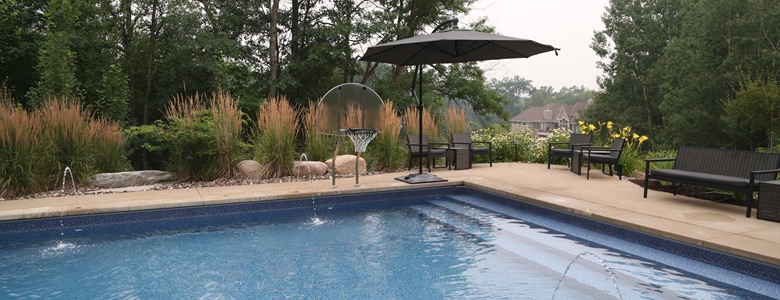
Over time, even the most stunning pools can begin to show signs of wear — fading finishes, rough textures, and unsightly stains can diminish both aesthetics and safety. Whether you're a homeowner with an aging backyard retreat or a property manager maintaining a commercial facility, revitalizing your pool surface is one of the most impactful ways to restore beauty, functionality, and value.
With advances in resurfacing materials and design techniques, it’s now possible to transform dated or damaged pool shells into luxurious, durable, and inviting oases that align with modern outdoor living expectations. MH3 Design Group understands how critical a well-maintained pool surface is to overall landscape design, and their work across the Twin Cities has helped countless clients refresh tired pools into vibrant focal points.
Before committing to a renovation project, it’s important to understand what prompts the need for resurfacing and what your material options are. In the sections below, we will provide technical insight and practical considerations to help you make informed decisions, whether you’re managing routine upkeep or preparing for a major upgrade.
Common Signs Your Pool Surface Needs Rehabilitation
Pool surfaces deteriorate gradually, but specific indicators can signal the need for immediate pool rehabilitation. One of the most common warning signs is the presence of cracks in the pool shell or finish. These may appear as hairline fractures at first but can expand over time, leading to leaks or structural compromise. Rough or pitted textures on the pool floor or walls are another red flag. These abrasions often result from chemical imbalances or prolonged exposure to UV rays, which wear away the smooth finish and expose the concrete or plaster beneath.
Stains and discoloration that cannot be removed with regular cleaning also indicate surface degradation. Organic stains from algae or mineral buildup can embed into porous surfaces, while rust or scaling may signal underlying issues with plumbing or rebar exposure. In addition to aesthetic problems, water loss due to micro-leaks — often caused by degraded surfaces or expansion joints — can drive up operational costs and reduce safety. Frequent patching or reapplication of waterproof sealants is a temporary fix at best and usually precedes full resurfacing.
Many property owners also notice that the pool becomes more difficult to maintain as the surface ages. Older materials may harbor algae more easily, leading to persistent blooms despite regular chemical treatments. Reduced water clarity, increased maintenance demands, and rising chemical costs are all indirect signs that it’s time to consider pool rehab. Addressing these issues early can preserve the integrity of the structure and restore the visual appeal of your pool.
Exploring the Best Pool Resurfacing Materials
When selecting a resurfacing material, longevity, aesthetics, maintenance requirements, and budget are all critical factors. Plaster is one of the most traditional and widely used materials due to its affordability and smooth finish.
However, its lifespan typically ranges from 5 to 10 years and may be prone to etching and staining over time. For homeowners looking for longer-lasting and visually appealing alternatives, quartz-based surfaces offer greater durability and stain resistance, lasting up to 15 years with proper maintenance. These finishes blend plaster with crushed quartz and offer both functional and aesthetic improvements.
Pebble finishes represent a premium tier of surfacing material. By incorporating natural stones embedded in cement, they deliver a textured appearance, high durability, and resistance to chemical damage. Aggregate finishes, which combine pebbles, glass beads, or crushed stone, offer a customizable aesthetic that can elevate any pool design. MH3 Design Group emphasizes high-end finishes that complement luxury outdoor spaces, and their product selection often includes aggregate options for long-term satisfaction and unique visual appeal. These finishes also provide slip resistance and exceptional strength, making them ideal for high-traffic or family-oriented pools.
Tile finishes are another upscale option, offering unmatched visual richness and virtually unlimited design flexibility. While tile installation requires a significant investment, it boasts the longest lifespan of any resurfacing option, often exceeding 20 years with minimal upkeep. From glass mosaics to hand-painted ceramics, tile surfaces allow for intricate design work that complements high-end landscapes. Clients pursuing luxury pools often choose tile for its enduring beauty and minimal maintenance demands.
Advantages of Pebble and Aggregate Pool Finishes
Pebble and aggregate finishes offer multiple advantages beyond aesthetics. Their composition of natural stones and concrete creates a resilient shell that withstands harsh pool chemicals, UV exposure, and freeze-thaw cycles — factors that frequently degrade traditional plaster. These surfaces are less prone to staining, etching, or delamination, resulting in a consistently clean appearance and extended service life. This makes them particularly well-suited for pools in regions with wide seasonal temperature swings, like Minnesota.
In terms of functionality, the textured nature of pebble finishes improves traction underfoot, reducing slip hazards for children or elderly users. This practical benefit is often overlooked during material selection but contributes meaningfully to overall safety. Pebble surfaces are also highly customizable, available in a wide spectrum of colors and stone blends to match design preferences. Glass bead-infused aggregate options can enhance light reflection, creating shimmering water effects that boost curb appeal.
Aggregate finishes offer another critical advantage: low maintenance. Their resilience translates to fewer chemical treatments and surface repairs over time, lowering ownership costs and improving water quality. These surfaces also help maintain a more stable pH, reducing the need for constant chemical adjustments. While the initial investment is higher than plaster, the long-term savings in maintenance and extended lifespan make aggregate an attractive choice for serious pool owners committed to quality and performance.
How Resurfacing Impacts Pool Longevity and Maintenance
Resurfacing directly extends a pool's functional lifespan by addressing deterioration before it progresses to structural failure. A properly resurfaced pool restores waterproofing integrity and reinforces the pool shell, preventing leaks and avoiding expensive foundational repairs. This structural reset often adds 10 to 20 years of operational life, depending on the material used and environmental conditions. For property owners, this is not merely a cosmetic fix — it’s a preventive measure that secures the value of their landscape investment.
Maintenance requirements are also significantly reduced post-resurfacing. New surfaces are less porous, making it harder for algae and debris to cling to the walls and floor. This results in clearer water, improved filtration efficiency, and reduced chemical usage. Routine maintenance tasks like brushing, vacuuming, and balancing pH become easier and less time-consuming. Many resurfacing materials, especially quartz and aggregate, also help stabilize water chemistry, minimizing the frequency of adjustments and the risk of corrosion to mechanical systems.
Beyond daily upkeep, resurfacing enables owners to integrate modern features such as automated circulation systems, LED lighting, and energy-efficient heaters. These enhancements not only elevate the pool’s aesthetics but also improve its functionality and efficiency. Ultimately, resurfacing is a gateway to comprehensive modernization, offering both short-term savings on maintenance and long-term value by prolonging the usability of the pool infrastructure.
Criteria for Choosing the Right Pool Resurfacing Contractor
Selecting the right contractor is one of the most crucial decisions in the resurfacing process. Reputation and experience should be the top considerations. Look for firms with extensive portfolios showcasing a variety of resurfacing projects, particularly those aligned with your material and design preferences. Verify certifications, licensing, and insurance to ensure compliance with industry standards. Client testimonials and third-party reviews can provide insight into reliability, communication, and craftsmanship.
Transparency in project planning and pricing is equally important. A qualified contractor should conduct an on-site assessment and provide a detailed proposal outlining surface preparation, material specifications, timeline, and warranty terms. Avoid firms that offer vague quotes or pressure for immediate commitment without a thorough inspection. Strong communication throughout the process is a key indicator of professionalism and customer service, especially when dealing with intricate projects involving custom materials or design integrations.
Finally, evaluate the contractor’s understanding of local climate considerations and material behavior. For example, a knowledgeable contractor in the Minneapolis-St. Paul area will account for freeze-thaw cycles, groundwater behavior, and drainage design when recommending finishes. Working with MH3 Design Group ensures access to expert planning tailored to regional challenges, providing a smooth and lasting outcome that protects your investment.
How MH3 Design Group Can Help Revitalize Your Pool Surface
Whether your pool is showing early signs of wear or you’re planning a full design overhaul, MH3 Design Group provides expert solutions tailored to your specific needs. With years of experience in luxury pool design and resurfacing, our team offers deep knowledge of material selection, structural rehabilitation, and aesthetic transformation.
If you’re ready to begin your pool revitalization journey, contact MH3 Design Group today or call us at 763-400-3944 to speak with one of our design professionals!