Benefits of Installing Arbors for Functional and Stylish Outdoor Spaces
Few outdoor structures add charm and structure to a landscape like arbors. These elegant vertical elements serve both aesthetic and practical purposes, offering a welcoming focal point while also providing support for climbing plants, defining garden paths, or marking entryways.
Whether it's a cottage-style entrance enveloped in greenery or a clean-lined modern design that complements your home's architecture, arbors offer versatile possibilities to enhance outdoor space. At MH3 Design Group, where design meets craftsmanship, these features are more than accents — they're intentional enhancements that bring cohesion and beauty to the entire landscape.
With decades of experience in luxury landscape design, MH3 Design Group understands how thoughtfully placed structures like arbors can transform a yard into a refined, inviting environment. This article explores five key benefits and considerations when installing an arbor. Each section below is designed to offer guidance rooted in real design strategy and outdoor expertise — without a sales pitch — so you can make well-informed decisions for your property!
Enhancing Garden Entryways and Paths with Arbor Installations
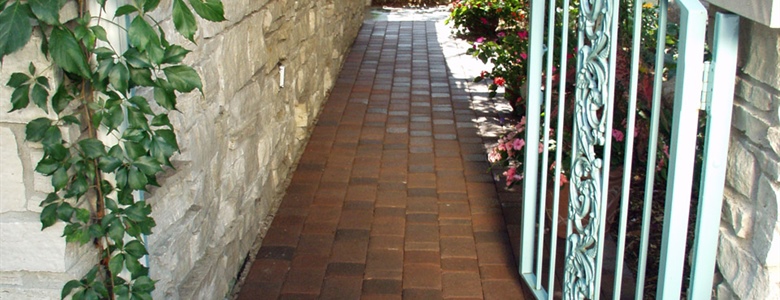
Arbors serve as striking architectural accents at the thresholds of outdoor spaces, establishing clear transitions between areas like front yards, garden beds, and private patios. By framing views and guiding foot traffic, arbors define the movement through a landscape, especially when placed over walkways or paths.
Their vertical form creates a natural archway, signaling passage into a distinct space — be it a floral garden, vegetable bed, or secluded seating area. When designed with proportional scale and material that complements the setting, an arbor becomes more than decorative; it acts as a wayfinding tool within the garden.
Strategic arbor placement along garden paths also emphasizes focal points, drawing attention to nearby features such as water elements, seating nooks, or sculptural installations. Arbors provide vertical structure in otherwise horizontal environments, breaking visual monotony and introducing height variation. For homeowners interested in creating a more immersive landscape experience, arbors offer a subtle yet powerful tool to guide exploration. They help create a narrative flow through outdoor space by leading the eye and the feet to destinations.
At their best, arbors seamlessly integrate function with beauty. A well-positioned arbor transforms a simple entry point into a visual anchor that communicates intention and enhances the overall composition of the landscape. Whether framing the entrance to a garden or sitting at the junction of multiple paths, the structure becomes an inviting gesture, offering a sense of invitation, transition, and spatial rhythm within the design.
Choosing Arbor Materials That Harmonize With Your Home’s Exterior
The visual impact of an arbor depends significantly on the material used. Matching or coordinating the arbor’s finish and texture with elements of the home’s exterior — such as siding, trim, roofing, or fencing — ensures cohesion across the property.
For traditional homes, natural wood is often preferred due to its warmth and timeless character. Cedar and redwood are popular choices, offering natural resistance to decay while weathering beautifully over time. Painted or stained finishes allow for color matching with existing architectural features, creating a seamless visual link.
Contemporary or minimalist homes may benefit from powder-coated steel or composite materials that offer a clean, linear look with reduced maintenance requirements. These materials resist warping, fading, and insects, making them practical for homeowners seeking longevity without compromising style. In climates with high humidity or freeze-thaw cycles, materials with high structural integrity and durability are recommended to maintain performance and appearance over time. Design considerations should also include joinery type, post anchoring, and load-bearing capacity, especially if climbing plants are intended.
Material choice also impacts how the arbor ages and integrates into your broader outdoor living environment. A well-selected material will patina in a way that complements the landscape’s natural evolution. Attention to these details ensures the arbor doesn’t appear as an afterthought but instead as a purposeful element within the architectural language of the home and the surrounding landscape.
Using Climbing Plants to Create a Natural Arbor Canopy
Climbing plants can transform an arbor into a living structure that changes with the seasons, adds softness, and supports biodiversity. When selected carefully, vines and climbers not only provide shade and fragrance but also enhance privacy and aesthetic appeal. Classic choices like wisteria, clematis, and climbing roses offer cascading blooms and rich foliage. These species thrive when given adequate light, drainage, and structural support — all of which a well-built arbor provides.
It’s important to consider growth habits and maintenance needs when choosing plant varieties. Some climbers are twining, wrapping themselves around posts and beams, while others need attachment assistance like ties or wires. Fast-growing plants like honeysuckle or trumpet vine can quickly establish coverage but may require frequent pruning to keep them in check. Slower-growing species provide more control but may take multiple seasons to reach full effect. Pairing evergreen climbers with seasonal bloomers allows for year-round interest.
Establishing a lush arbor begins with understanding light exposure, soil conditions, and the microclimate of the installation site. Selecting plant species that align with these factors ensures vigorous growth and long-term success. A layered approach — combining multiple plant types with staggered bloom periods — produces an evolving structure that responds to both environment and time. The result is an arbor that not only serves as a garden centerpiece but also functions as a living habitat supporting birds, pollinators, and the visual richness of the landscape.
Defining Garden Zones With Decorative and Functional Arbors
Arbors are not just decorative; they can effectively partition outdoor space into distinct zones without relying on solid walls or fencing. In larger landscapes, arbors help define transitions between areas dedicated to dining, entertaining, gardening, or relaxing. By creating vertical punctuation marks within the layout, they provide visual boundaries and a sense of order. When flanked with gates or planters, arbors form natural thresholds that delineate public versus private areas.
This structuring is especially valuable in luxury landscape design, where aesthetics and function must work in harmony. An arbor placed at the entrance of a vegetable garden signals purpose and provides an architectural feature to unify raised beds or trellised rows. Similarly, an arbor at the start of a woodland path or near a water feature draws focus while organizing space. When paired with lighting or integrated seating, the arbor also serves a practical role in enhancing usability and comfort in outdoor areas.
By breaking up wide-open lawns or sprawling gardens, arbors introduce human-scale design elements that invite interaction and exploration. Their form encourages movement while contributing symmetry or contrast depending on design intent. Functional and decorative in equal measure, arbors offer a layered approach to landscaping that emphasizes transitions and storytelling through space, essential for creating outdoor environments that feel both intentional and inviting.
Maintaining Your Arbor for Longevity and Aesthetic Appeal
Proper maintenance is key to preserving the visual appeal and structural integrity of an arbor over time. The first step is selecting materials that match your climate and lifestyle. Natural woods should be sealed or stained every 1–2 years to protect against moisture damage, rot, and UV exposure. For painted surfaces, inspect for peeling or cracking paint annually and touch up as needed to prevent moisture intrusion. Composite or metal materials may require less frequent care but should still be inspected seasonally for rust, warping, or joint loosening.
Structural stability depends on anchoring and fastener integrity. Check all joints, hardware, and ground posts to ensure they remain tight and level, especially after high winds or heavy snow. For arbors that support climbing plants, prune vegetation regularly to prevent undue stress on the frame. Overgrowth can trap moisture and accelerate decay, particularly in wood structures. Pruning also maintains airflow and ensures plants don’t obscure key architectural details that contribute to the arbor’s visual value.
Regular inspections combined with timely upkeep preserve both beauty and safety. An arbor left untreated can quickly degrade, leading to costly repairs or replacement. With basic seasonal attention and a commitment to material-appropriate care, your arbor will continue to enhance your property for years.
Transform Your Outdoor Space with MH3 Design Group
Whether you’re looking to frame an entry path, select the right materials, integrate climbing plants, divide garden zones, or keep your arbor looking pristine, each decision influences the final outcome. MH3 Design Group offers the expertise to guide these choices, ensuring your arbor works in harmony with the rest of your landscape.
If you’re ready to bring balance, structure, and living beauty to your yard with a custom-designed arbor, MH3 Design Group is your trusted partner! Get a free design consultation to start the conversation or contact us directly at 763-400-3944.