How to Create a Pollinator-Friendly Garden That Supports Bees and Butterflies
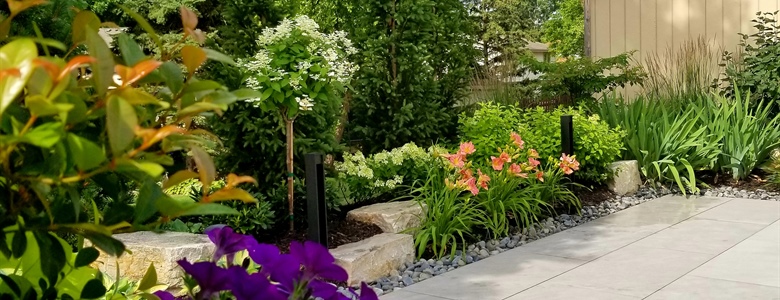
Creating a pollinator-friendly garden is one of the most rewarding ways to bring life and color to your outdoor space. With pollinators like bees, butterflies, and birds playing a crucial role in plant reproduction and biodiversity, designing a garden that supports their presence isn't just beautiful — it’s ecologically important.
Whether you’re working with a sprawling yard or a compact corner plot, intentional planning can turn any green space into a vibrant hub of pollinator activity. From the buzzing of bees among lavender blooms to the graceful flight of butterflies dancing through coneflowers, a pollinator garden is a living ecosystem full of movement and purpose. But the true value of these gardens goes beyond visual appeal; they help balance local food systems, preserve endangered species, and reduce environmental strain.
At MH3 Design Group, we understand how to translate nature’s needs into functional outdoor spaces that work for homeowners and pollinators alike. This article will guide you through every critical component needed to support a pollinator-friendly garden. You’ll learn how to select the right plants to attract bees, butterflies, and birds. For new ideas on how to transform your outdoor space, explore our detailed approach to gardens built with purpose and precision!
Best Plants to Attract Bees, Butterflies, and Birds in a Pollinator Garden
Selecting the right plant species is essential to creating an environment that draws and sustains bees, butterflies, and birds. Native flowering plants should form the foundation of any pollinator garden. These species are adapted to local conditions and offer nectar, pollen, and seeds that local pollinators rely on. For bees, plants like bee balm, lavender, coneflowers, and black-eyed Susans are ideal. Butterflies favor milkweed, butterfly bush, and zinnias, while birds, especially hummingbirds, are drawn to tubular blossoms such as columbines and salvia.
Beyond selecting species, consider bloom succession — choosing plants that flower at different times throughout the growing season. This ensures a steady supply of nectar and pollen from early spring to late fall. Grouping similar plants together can also enhance pollinator visitation. Mass plantings are easier for pollinators to detect and navigate, reducing their energy expenditure while increasing pollination efficiency. Using a combination of perennials, shrubs, and trees also provides structural diversity, which benefits a broader range of pollinators.
MH3 Design Group incorporates these principles into custom gardens that balance aesthetic goals with ecological function. By integrating native plants with intentional layout and layered design, homeowners can create resilient and attractive gardens that support pollinator health while enhancing curb appeal.
Understanding the Role of Pollinators and How to Support Them
Pollinators are responsible for the reproduction of over 75% of flowering plants, making them foundational to global biodiversity and food production. Bees, butterflies, moths, beetles, and birds contribute to this process by transferring pollen between flowers, enabling fruit and seed formation. In residential landscapes, pollinators are especially critical for vegetables, herbs, and fruiting plants. A garden without pollinators is a static environment; with them, it becomes dynamic, regenerative, and interconnected.
Supporting pollinators starts with habitat diversity and food sources. Incorporating a mix of nectar-rich flowers, host plants for larvae, and natural shelter encourages a full pollinator lifecycle within your garden. Avoiding pesticides, especially neonicotinoids, is essential—these chemicals can impair navigation, feeding, and reproduction in beneficial insects. Instead, focus on organic practices and integrated pest management strategies that work with, not against, natural systems.
Enhancing pollinator support is a central aspect of MH3 Design Group’s landscaping philosophy. Designs are tailored not only for human enjoyment but for ecological resilience, creating spaces where pollinators can thrive year after year.
Designing a Pollinator Garden Layout for Maximum Health and Access
A well-designed pollinator garden must go beyond aesthetics to consider structure, spacing, and ecological flow. Layout planning should prioritize sun exposure, as most pollinator-friendly plants require full sun. Position taller plants at the back or center (depending on the garden’s orientation) to avoid shading smaller, nectar-producing plants. This approach also improves visibility and access for pollinators. Intermix flowering heights and colors to mimic natural meadows, increasing appeal and navigability.
Pathways or natural breaks within planting beds make maintenance easier and reduce unintentional disturbance of nesting or feeding zones. Including small open areas of bare soil supports ground-nesting bees, while patches of dense vegetation provide shelter for butterflies and other insects. Planting in clusters or drifts, rather than scattered individuals, helps pollinators forage efficiently, especially for species that specialize in certain flower shapes or colors.
The garden design principles promoted by MH3 Design Group emphasize both function and form. With a strategic layout that mirrors nature’s patterns, gardens become microhabitats for pollinators while maintaining clean, intentional lines that blend seamlessly into broader landscape plans.
Seasonal Maintenance Tips for a Thriving Pollinator Garden
Seasonal maintenance is key to ensuring the longevity and productivity of a pollinator garden. In early spring, it’s critical to delay clean-up until temperatures consistently rise above 50°F. Many pollinators overwinter in plant stems, leaf litter, and the soil surface. Raking too soon can destroy beneficial insect populations before they emerge. Instead, selectively prune and remove only damaged or diseased materials while leaving structural plant elements intact where possible.
During summer, watering during dry spells and deadheading spent flowers can promote continuous blooming. However, it’s also important to leave some blooms to go to seed, especially in late summer and early fall, as they provide critical food for migrating birds and seed-eating insects. Fall is also a time to add mulch and new plantings, particularly perennials that will establish over winter and bloom in spring. Avoid overly manicuring the garden — leaving stems, seed heads, and organic matter supports overwintering pollinators.
Adapting your maintenance calendar to align with pollinator behavior results in a healthier, more balanced landscape. Regular yet ecologically aware upkeep transforms seasonal tasks into vital support mechanisms for resident pollinator populations.
Building Pollinator Habitats with Water Sources and Shelter
Pollinators need more than flowers; they need shelter and hydration to complete their life cycles. Water sources can range from birdbaths and shallow dishes to custom stone basins with sloped sides for access. The key is to provide clean, pesticide-free water that’s easy for small insects to reach. Add pebbles or sticks to water containers so pollinators can perch safely while drinking. Running water features like fountains or small waterfalls can also attract hummingbirds and dragonflies, adding motion and sound to the garden.
For shelter, incorporate natural debris like hollow stems, dead wood, brush piles, and thick ground covers. These features support nesting and overwintering for solitary bees, butterflies, and beetles. Purpose-built bee hotels can be installed, but should be cleaned seasonally to prevent mold and parasites. Including evergreen shrubs or densely planted hedges provides year-round cover and protection from predators and wind exposure. Decentralized, layered shelter placement mimics wild habitats and supports higher species richness.
By integrating natural materials and thoughtful placements, pollinator gardens become ecosystems, not just flower beds. These additions not only attract more wildlife but also enhance garden health and biodiversity. When paired with expert design from MH3 Design Group, your outdoor space can function as both a sanctuary and a showcase.
How MH3 Design Group Can Help You Create a Thriving Pollinator Garden
Transforming your yard into a pollinator-friendly garden requires more than just planting a few flowers — it’s about thoughtful design, seasonal strategy, and a deep understanding of how outdoor ecosystems function. MH3 Design Group brings this expertise to every project, helping homeowners create outdoor environments that support biodiversity while aligning with their personal style and practical needs.
Whether you’re looking to build a garden that blooms across all seasons or include features like water sources and shelters for native pollinators, our team designs with both beauty and ecological value in mind. Let us bring your vision of a pollinator-friendly garden to life with our free design consultation! Contact us today at 763-400-3944 or visit us at 4205 Lancaster Lane N Suite 101, Plymouth, MN 55441 to start planning a garden that supports both your lifestyle and the pollinators that help our world thrive.