Maintaining Your Vinyl Pool Through Harsh Minnesota Winters
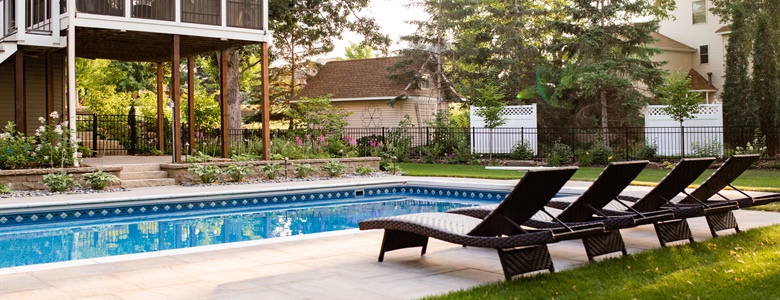
Winter in Minnesota isn’t just cold — it’s extreme. For homeowners with vinyl pools, that means careful preparation is more than a seasonal chore; it’s a crucial part of preserving your investment.
As temperatures plummet and snow piles up, overlooking even small maintenance details can lead to costly damage. But when done right, winterizing your vinyl pool ensures it stays protected and pristine, ready to reopen without surprises come spring. Whether you’re a new pool owner or have braved many Minnesota winters, mastering seasonal care is key to long-term performance.
From freezing temperatures to shifting ground conditions, vinyl pool systems face unique stressors throughout the cold months. MH3 Design Group understands the high-end standards of pool ownership in Plymouth and the surrounding region. That’s why it’s essential to approach winter maintenance with expert-backed methods and a preventative mindset. Knowing when and how to act can make the difference between a smooth reopening and a major repair bill.
In this guide, we’ll walk you through critical strategies to help you confidently maintain your vinyl pool throughout Minnesota’s harsh winter season. Read on to learn valuable insights tailored to vinyl pools, like those featured in our vinyl pools portfolio, ensuring you’re equipped with real-world solutions backed by experience!
Proper Techniques for Winterizing a Vinyl Pool in Minnesota
Winterizing a vinyl pool in a cold-climate region like Minnesota requires precise steps to prevent structural and plumbing damage. The process starts with thoroughly cleaning the pool —removing debris, brushing surfaces, and vacuuming to ensure no organic material remains to stain or damage the liner over time. After cleaning, water levels should be partially drained to just below the skimmer, reducing pressure from ice expansion. However, complete draining is not advised, as hydrostatic pressure can shift the pool shell or damage the liner.
Once the water level is adjusted, all pool equipment — including pumps, filters, and heaters — should be fully drained and blown out using an air compressor to prevent freezing and cracking. Pool lines are typically treated with antifreeze and sealed with winter plugs. It's critical to inspect your vinyl liner for tears or leaks before sealing the pool for the season, as small issues can become major problems during freeze cycles.
The final step in winterization is securing the pool with a durable winter cover (discussed next) and adding winterizing chemicals to prevent algae, scale buildup, and liner staining. A properly winterized pool, especially one built with a high-quality system like those found in vinyl pools, is protected from the damaging effects of Minnesota’s sub-zero winters and heavy snowfalls.
Choosing the Best Winter Covers for Vinyl Pools
Not all pool covers are created equal, especially when dealing with the weight of snow and the impact of repeated freeze-thaw cycles. For vinyl pool owners in Minnesota, selecting the right winter cover is crucial. Mesh covers allow water through while keeping out debris, but they often require a submersible pump to manage accumulated meltwater and can allow light through, increasing algae risk. Solid safety covers, on the other hand, block sunlight and contaminants completely, offering better protection for water chemistry and liner preservation.
High-tension safety covers with stainless steel anchors and reinforced stitching are preferred in regions where snow loads and wind gusts are common. These covers remain taut throughout winter and can withstand severe weather without sagging or tearing. Custom-fit covers offer an advantage over generic models, sealing tightly around custom features like steps or attached spas and reducing liner stress from shifting weight.
For luxury installations such as those designed by MH3 Design Group, investing in premium-grade covers complements the overall integrity of your luxury pool system. The right cover is more than a barrier — it’s a key component in preventing liner damage, keeping maintenance costs low, and ensuring a clean and quick pool reopening in spring.
Managing Water Chemistry During Pool Off-Season
Maintaining balanced water chemistry throughout winter is essential for vinyl pool longevity. Even when covered and unused, pool water remains susceptible to chemical imbalances that can stain the liner, corrode fittings, or allow algae to bloom under the ice. Before closing the pool, the water should be tested and balanced, aiming for a pH between 7.4 and 7.6, alkalinity between 80–120 ppm, calcium hardness above 200 ppm, and chlorine levels between 1–3 ppm.
After balancing, winterizing algaecides and stain inhibitors should be added to the water, providing a buffer against contamination during the long dormant season. These additives are slow-dissolving and specifically formulated for cold temperatures. Some pool owners opt for non-chlorine shock treatments before covering, which helps neutralize contaminants without over-chlorinating and risking liner bleaching.
Periodic checks during warmer winter spells, particularly during January thaws or early spring, can help verify water levels haven’t changed dramatically and that cover integrity remains intact. This preventative approach helps avoid chemical imbalances that could otherwise lead to costly liner restoration when the pool reopens.
Preventing Vinyl Liner Damage in Harsh Cold
Vinyl liners are flexible but not invulnerable. In Minnesota winters, fluctuating temperatures and pressure from ice formation can cause tears, shrinkage, or detachment from the track if the liner isn’t properly protected. One key factor is water stability: as long as water levels are consistent and frozen solid from the top down, pressure remains even. However, shifting water levels, especially from leaks, can cause floating liners or buckling beneath the surface ice.
To protect your liner, inspect and patch any imperfections before winter. Avoid using abrasive or sharp tools when cleaning the liner pre-winter, as microabrasions can worsen during freeze cycles. Consider installing an air pillow beneath the cover — this flotation device absorbs expansion pressure from forming ice, protecting both the liner and pool walls.
Vinyl liner shrinkage can also occur if the liner is exposed to dry air for extended periods. That’s why it’s crucial to avoid over-draining and to keep the pool sealed and covered. These precautions help maintain liner elasticity through the off-season and reduce the risk of cracks, folds, or stress lines becoming permanent.
Comprehensive Seasonal Maintenance Checklist for Vinyl Pool Owners
Having a detailed seasonal checklist makes winter pool management more systematic and reduces the likelihood of missed steps. Start by confirming all equipment is winterized: pumps, filters, heaters, and plumbing lines must be drained, cleaned, and protected from freezing. Remove all removable accessories, including ladders, lights, and skimmer baskets, and store them indoors. Apply a non-toxic pool antifreeze to vulnerable plumbing lines and seal them with appropriate plugs.
Next, test and balance water chemistry to prevent off-season buildup. Add closing chemicals, including algaecide, chlorine, and scale inhibitors. Adjust the water level to just below the skimmer and clean the liner thoroughly. Once the pool is sealed, install the winter cover securely, ensuring it fits tightly and is anchored properly to prevent wind or snow damage.
Periodically through winter, especially after heavy storms or thawing periods, check the pool area for cover sagging, debris accumulation, or signs of shifting. A routine inspection every few weeks helps ensure your system remains stable throughout the off-season.
Partner with MH3 Design Group for Expert Vinyl Pool Care
Keeping your vinyl pool protected through a harsh Minnesota winter isn’t a one-size-fits-all process. That’s where MH3 Design Group stands apart. With decades of expertise in luxury pool installation and seasonal maintenance, we understand the specific challenges faced by homeowners across Plymouth and the greater Twin Cities area.
Whether you’re preparing for the first frost or planning for a long-term maintenance strategy, our team offers technical insight and customized support based on your pool’s unique configuration. If you’re looking to protect your investment and maintain year-round peace of mind, we’re here to help! Schedule your free design consultation or speak directly with our specialists at 763-400-3944 to learn how our services align with your needs.