Maximizing Curb Appeal with Softscaping: Expert Landscaping Tips
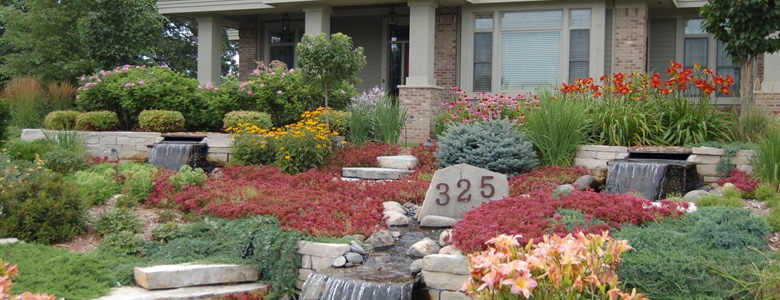
When it comes to making a lasting first impression, curb appeal plays a defining role. While hardscaping provides structure, it’s the soft elements — lush plantings, vibrant lawns, and layered greenery — that bring life and character to your outdoor space. Softscaping is the art of using plants and organic materials to create dynamic, seasonal beauty that complements your home’s architecture and enhances its visual appeal.
It’s the secret behind inviting entrances, colorful borders, and picturesque front yards that command attention without saying a word. From a design perspective, softscaping provides flexibility and expression. It evolves with the seasons, offering endless opportunities to tailor your landscape for color, texture, and form throughout the year.
Whether you’re planting perennials that bloom across seasons, adding evergreen structure, or creating a welcoming entryway flanked by planters, softscaping empowers homeowners to sculpt their landscape with artistry and intention. At MH3 Design Group, we believe curb appeal is more than just aesthetics — it’s a living showcase of your home’s personality, designed with function and form in mind.
In this article, we’ll explore five key elements that help homeowners maximize curb appeal using smart softscaping strategies. Keep reading to uncover expert insights that bring these design principles to life, and learn how to boost your home's curb appeal with impactful softscaping decisions!
Best Plant Selections for Year-Round Color and Visual Interest
To maintain curb appeal throughout the year, it's critical to choose plants that offer multi-season interest. A strategic mix of perennials, annuals, ornamental grasses, and shrubs can keep your landscape visually compelling across changing weather.
Spring and summer should feature flowering species such as coneflowers, black-eyed Susans, and salvia. These perennials provide structure and vibrant color while requiring low maintenance. For fall, ornamental grasses like switchgrass and feather reed grass create movement and texture, while trees like serviceberry or burning bush deliver brilliant seasonal foliage.
Winter interest often relies on form and texture, so incorporating plants with architectural structure is key. Hydrangea varieties with dried blooms, red twig dogwoods, and evergreens like boxwood or dwarf pine maintain visual appeal even when dormant. Planting strategies should emphasize layering: ground covers at the base, mid-height blooms, and taller background species. This approach not only maximizes color but also helps your garden transition smoothly from one season to the next without appearing barren or unbalanced.
For homes in climates with long winters, selecting evergreens, hollies, and other foliage plants that retain color can prevent the outdoor space from feeling lifeless. MH3 Design Group incorporates this year-round design strategy into our curb appeal projects to ensure visual continuity regardless of the season. When plant palettes are chosen for staggered bloom times and structural diversity, the landscape maintains its charm month after month.
Designing a Welcoming Front Entrance Using Plant-Based Softscaping
The entrance to your home sets the tone for the entire property, and thoughtful plant placement can transform it into an inviting and polished focal point. Flanking the front door with symmetrical planters filled with seasonal blooms or evergreens adds a touch of elegance and charm. Low-growing perennials like lavender or sedum along the walkway soften hard edges, while taller shrubs or ornamental grasses can provide privacy and enclosure without overwhelming the space.
Color coordination is essential — selecting blooms that complement your home's façade enhances architectural features and creates a harmonious look. Repetition of textures and plant shapes, such as echoing rounded boxwoods or cascading petunias, creates a cohesive and intentional design. Seasonal rotation of container plants adds variety and freshness, allowing the entry to evolve while always staying relevant and engaging. Strategic lighting can further enhance the ambiance during evening hours, spotlighting key foliage and guiding guests to the door.
A professionally planned entryway balances functionality and aesthetics, blending walkway accessibility with natural beauty. With the right mix of color, height, and layout, your front entrance becomes more than a transitional space — it becomes a destination that welcomes every visitor with warmth and style.
The Role of Lawn Care and Maintenance in Achieving Strong Curb Appeal
A well-maintained lawn remains one of the most noticeable elements in residential curb appeal. Its color, texture, and density contribute to the overall aesthetic, acting as a visual foundation for all other softscape features. A healthy lawn signals attentive upkeep, which positively reflects on the property and its value. Proper lawn care goes beyond regular mowing; it includes aeration, dethatching, irrigation, seasonal fertilization, and weed control, all of which contribute to turf health and uniformity.
Neglected lawns — those with brown patches, uneven growth, or invasive species — can undermine even the most beautifully landscaped gardens. Homeowners looking to maintain curb appeal year-round must adjust their lawn care strategies to seasonal conditions. Spring requires vigorous growth stimulation and weed suppression, summer demands consistent irrigation and pest control, fall is critical for overseeding and fertilizing, and winter involves proper preparation to protect root systems. Mulching around lawn edges and proper edging techniques also give the entire yard a sharp, intentional look.
Soil testing and nutrient management are often overlooked but essential for long-term success. These insights allow for customized fertilization schedules that target specific deficiencies, encouraging lush, green growth without waste or environmental impact. Incorporating irrigation systems or soil moisture sensors can improve watering efficiency and promote sustainability. When the lawn is thriving, it elevates all surrounding softscape elements, framing them in a clean, manicured setting that significantly boosts curb presence.
Enhancing Your Home’s Facade with Flowering Shrubs
Flowering shrubs are one of the most powerful tools for enhancing your home's exterior. Their ability to provide color, structure, and visual rhythm makes them indispensable in softscape design. When placed thoughtfully, these shrubs guide the eye across the property, highlight architectural elements, and create defined outdoor “rooms.” Hydrangeas, spireas, azaleas, and viburnums are particularly effective in temperate zones, offering blooms in various sizes, shapes, and colors from spring through fall.
Positioning is key — layering flowering shrubs against the foundation of your home helps to soften harsh lines and bring the structure into harmony with the landscape. Taller varieties placed at corners add height and dimension, while compact cultivars along walkways and beneath windows enhance symmetry. For long-term impact, choose varieties with extended bloom periods or those that provide visual interest through berries or foliage even after the flowers fade. Pruning schedules should align with bloom cycles to avoid cutting off buds and disrupting flowering seasons.
Color coordination between shrub blooms and your home’s palette also adds cohesion. For example, cool-toned flowers like blue hydrangeas pair beautifully with brick or grey exteriors, while warm-toned azaleas can complement beige or cream facades. Flowering shrubs also attract pollinators, adding movement and vitality to the front yard. Their permanence and prominence make them a defining feature in any well-planned softscape layout designed to enrich a property’s curbside presentation.
Using Evergreens to Maintain Texture and Color Year-Round
Evergreens are foundational in softscape planning, providing reliable texture, structure, and color regardless of the season. These plants act as anchors in the landscape, maintaining visual interest during colder months when deciduous plants are dormant. Boxwoods, junipers, arborvitae, and dwarf pines are commonly used in residential design due to their adaptability, low maintenance, and ability to complement a wide range of plant companions. Their consistent appearance ensures that the landscape never feels bare, even in winter.
Strategically placing evergreens creates a sense of balance and rhythm throughout the property. Tall columnar varieties frame entries or mark boundaries, while rounded or spreading forms provide ground-level coverage and visual layering. Many evergreens also offer seasonal variance in foliage tone, shifting to bluish or golden hues that enrich the palette. Some species produce cones or textured bark, adding subtle details that enhance depth. These traits contribute to a multi-sensory landscape that remains appealing through frost and thaw.
Incorporating evergreens into borders, foundation plantings, and backdrop designs ensures visual continuity and resilience. They serve as excellent windbreaks and privacy screens while anchoring seasonal arrangements of flowering or deciduous plants.
Bring Your Vision to Life with MH3 Design Group’s Landscape Expertise
Creating a lasting first impression through softscaping requires knowledge, precision, and design cohesion. Whether you’re choosing plants for year-round interest, shaping your front entrance with greenery, or maintaining a pristine lawn, each element plays a critical role in shaping your home’s identity.
At MH3 Design Group, we bring experience and craftsmanship to every project. Our tailored landscape solutions incorporate the latest in horticultural science, design trends, and maintenance strategies to meet your unique needs.
We invite you to explore our portfolio, speak with our experts, and see how our creative approach can enhance your home’s exterior! Ready to get started? Schedule your free design consultation today to transform your property into a masterpiece of landscape design.