Choosing the Best Landscape Lighting for Different Climates
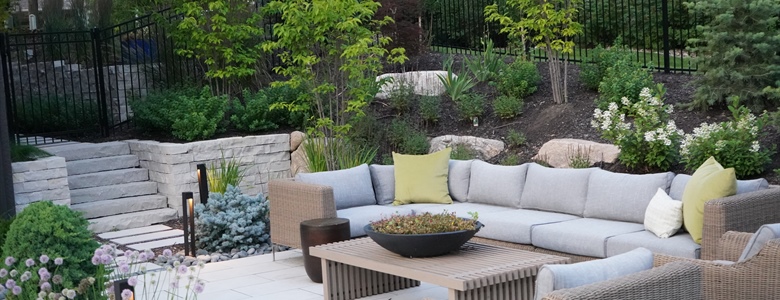
Outdoor lighting transforms the look and feel of any landscape, but the right lighting choices can vary dramatically depending on where you live. Whether you face frigid winters, salt-heavy coastal air, or blistering summer heat, your climate plays a critical role in how landscape lights perform over time. Selecting lighting solutions that are designed to withstand specific environmental conditions can extend the life of your investment and maintain the beauty of your property year-round.
At MH3 Design Group, we know the environment outside your home is just as important as the one inside. From sleek pathway lights to durable wall-mounted fixtures, the right design starts with understanding how weather impacts materials and performance.
In this article, we’ll look at the smartest strategies for choosing and maintaining lighting in any environment. You'll learn about weather-resistant lighting solutions for harsh environments, explore best practices for maintaining landscape lighting in snowy areas, and understand the features of heat-resistant lights for hot climates. Learn more about landscape lighting and how your climate should inform your choices below!
Top Weather-Resistant Lighting Solutions for Harsh Environments
When selecting landscape lighting for regions that experience extreme weather, durability must take precedence over aesthetics alone. Harsh environments — characterized by high winds, frequent rainfall, ice storms, or severe UV exposure — require lighting systems engineered with robust materials and construction standards.
Fixtures constructed from die-cast aluminum, brass, or stainless steel are commonly used in these settings due to their corrosion resistance and structural integrity. Sealed enclosures with a high Ingress Protection (IP) rating, ideally IP65 or higher, prevent water and dust infiltration, which is critical for long-term function.
Lighting manufacturers have responded to harsh climate demands by producing fixtures with advanced protective coatings and integrated thermal management. Powder-coated finishes help minimize oxidation and surface wear, while LED drivers with thermal sensors can prevent heat-induced failures. Many weatherproof landscape lights also feature reinforced gaskets and impact-resistant lenses that resist cracking during temperature swings or hail events. Proper wire insulation and waterproof connectors complete the system, ensuring it withstands snowmelt, heavy downpours, and sub-zero exposure without shorting or degrading.
By choosing well-built, weather-resistant fixtures designed for longevity, homeowners can enjoy consistent, reliable lighting with minimal need for repair. This is especially important in areas where maintenance access may be limited during specific seasons.
Maintaining Landscape Lighting Systems in Snowy Conditions
Maintaining landscape lighting in snowy climates involves specific procedures to avoid premature failure and keep systems running throughout the winter. Snow accumulation can block light output and weigh down fixtures, while freezing temperatures can degrade seals and wiring if not properly installed.
The first step is to elevate lighting fixtures above typical snow levels using taller risers or mounting them to hardscape elements like stone walls or deck railings. This prevents fixtures from becoming buried or damaged by shoveling and plowing.
Fixture choice also plays a critical role in snow-heavy areas. Look for systems rated for sub-zero performance, often tested to temperatures as low as -40°F. Durable finishes, such as marine-grade powder coatings, prevent corrosion caused by salt used on driveways and paths. Additionally, LED lights produce less heat than halogens, reducing the risk of snow melting and re-freezing around fixture bases, an issue that can cause lens cracking and surface displacement. Low-voltage lighting systems are preferred because they provide safer operation in moisture-laden environments.
Regular seasonal maintenance includes brushing off snow, checking for wire exposure caused by frost heave, and inspecting seals and junction boxes after thaw. These actions reduce stress on the system and extend component life.
Designing Heat-Resistant Lighting Systems for Hot Climate Installations
High ambient temperatures present a unique challenge for landscape lighting, as extended heat exposure can damage fixtures, degrade electrical components, and shorten the lifespan of bulbs and drivers. Choosing heat-resistant lighting begins with the right materials. Brass and copper are excellent thermal conductors and are less likely to warp, crack, or deteriorate in sun-exposed areas. These metals also naturally form protective patinas, making them ideal for high-temperature outdoor environments.
LEDs outperform traditional halogen lights in hot climates due to their energy efficiency and low heat emission. However, not all LEDs are equal — fixtures in hot zones should feature integrated heat sinks and thermal regulators to prevent diode burnout. Avoid plastic housing in any exposed areas; UV radiation causes brittleness, warping, and fading over time. Instead, opt for UV-resistant lenses and gaskets, and select lights rated for high operating temperatures by reputable manufacturers.
Ventilation is another crucial factor in design. Fixtures that allow heat to escape through engineered airflow reduce internal stress and extend system longevity.
Using Corrosion-Proof Lighting Fixtures for Coastal Properties
Lighting systems installed near oceans or saltwater lakes face continuous corrosion threats due to high humidity and salt-laden air. These environmental factors accelerate the breakdown of unprotected metals and wiring, leading to fixture failure and safety issues. To mitigate these risks, corrosion-proof fixtures are mandatory in coastal applications. Marine-grade stainless steel (316), bronze, and composite materials such as polymers are the most effective at resisting salt-induced corrosion and air-induced pitting.
Electrostatic powder coatings provide additional resistance, sealing the surface against oxidation and preserving aesthetics over time. Non-metallic fixture housings made from fiberglass or UV-stabilized polycarbonate are particularly valuable in high-salinity zones, offering lightweight and maintenance-free performance. Wiring must also be shielded with UV- and salt-resistant sheathing, and junction boxes should be rated NEMA 4X or higher for full protection against environmental ingress.
Corrosion-proof solutions protect not just the fixtures but the electrical infrastructure supporting them. Investing in these systems ensures safer operation and reduced long-term costs in coastal homes. MH3 Design Group emphasizes material selection and proper installation techniques when designing lighting solutions for waterfront properties to combat the challenges of salt exposure and humidity.
Preparing Landscape Lighting Systems for Seasonal Transitions
Seasonal changes — from spring growth to fall cleanup — can affect the performance and safety of landscape lighting systems. Preparing your lights for each transition begins with routine inspections. In spring, check for fixture misalignment caused by frost heave, test all connections for water damage, and prune vegetation that may obstruct light beams. During summer, inspect fixtures for insect nests or sun-related wear. In autumn, clear falling debris and leaves to prevent buildup around fixtures and lenses.
Winter preparation involves ensuring that all seals are intact, cables are buried below frost lines, and timers or smart controllers are adjusted to shorter daylight hours. Fixtures prone to water pooling should be repositioned or replaced with models featuring better drainage. Smart lighting systems can be pre-programmed to adjust color temperature or intensity, enhancing seasonal ambiance while conserving energy. Regularly cleaning lenses and tightening mounting hardware prevents moisture infiltration and maintains lighting clarity year-round.
These preventive steps reduce downtime and preserve the lighting system’s visual and functional integrity. MH3 Design Group’s seasonal design approach integrates system flexibility and serviceability to accommodate changing weather patterns and homeowner needs throughout the year.
Get Expert Help with Landscape Lighting in Any Climate
Whether you're dealing with coastal salt, arctic snowdrifts, or summer heatwaves, MH3 Design Group provides expert lighting solutions built to last. Our design team understands that climate resilience begins with careful planning, high-quality materials, and an eye for both function and form.
To get started with a lighting design that fits your climate and lifestyle, schedule your free design consultation today! With the right plan and the right partner, you can illuminate your landscape with confidence year-round.