Pergola Integration: Design, Materials, Styling & Seasonal Ideas
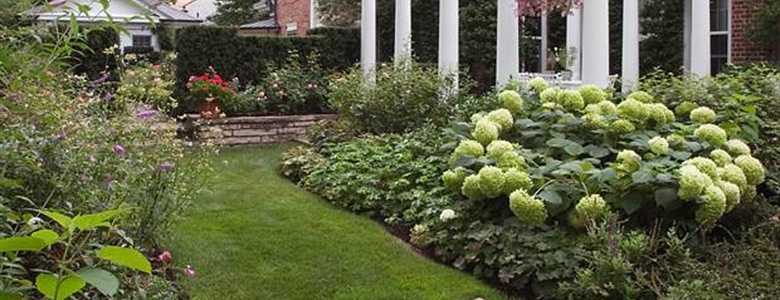
Creating a visually appealing and functional outdoor space often starts with integrating structures that complement your natural surroundings. Among these, pergolas are one of the most versatile and aesthetically enriching elements a homeowner can introduce.
When thoughtfully incorporated into a garden setting, a pergola adds architectural interest, provides shade, and creates a defined space for relaxation or entertaining. Whether you're transforming a modest backyard or refining a sprawling landscape, pergolas can bridge the gap between built environment and nature, turning open areas into personal sanctuaries.
There are several strategic elements to consider when adding a pergola to your garden. We'll explore design considerations for aligning your pergola with existing garden features, delve into material choices that combine long-term durability with visual harmony, and offer styling tips like integrating climbing vines or selecting complementary furniture.
With thoughtful planning and design, a pergola can transform any garden into a personalized outdoor retreat!
Design Considerations for Aligning Pergolas with Your Existing Garden Layout
Designing a pergola that fits seamlessly into an existing garden requires a strategic approach that balances structure with natural flow. The layout of your garden, whether it follows formal symmetry, organic curves, or segmented zones, will directly influence the shape, size, and positioning of your pergola.
Consider nearby hardscape elements, sightlines, and focal points such as water features or specimen trees. A well-placed pergola should frame views, not obstruct them, while enhancing traffic flow between garden sections. Integrating it along a path, as a transition to a different garden room, or as a shaded seating nook at a terminus point, can provide visual cohesion.
Microclimate is another critical factor. Analyze the sun's path, prevailing winds, and drainage patterns to optimize placement. A north-south orientation might allow more filtered light throughout the day, while east-west placements can deliver stronger shade in the afternoon. Also, consider how the pergola will cast shadows across plant beds — structure shouldn’t compete with sun-loving species. The design should complement the surrounding scale — too small, and it disappears, too large, and it dominates the space. Spatial proportioning is crucial to balance presence with harmony.
Successful integration also involves unifying materials and finishes with existing landscape themes. This might include replicating trim details from your home or using similar stone or wood species found elsewhere in the yard. Pergolas designed with garden context in mind offer a natural extension of outdoor living while enhancing spatial experience.
Choosing the Right Materials for Durable and Visually Appealing Pergolas
Material selection plays a pivotal role in determining both the durability and aesthetic impact of a pergola. Wood, aluminum, steel, and vinyl are among the most common choices, each offering distinct benefits.
Cedar and redwood are popular for their natural resistance to rot and insects, and their ability to weather attractively. Pressure-treated pine is a more economical option but requires more upkeep and sealing. Metal structures like powder-coated aluminum or steel provide modern aesthetics and long-term resistance to weather and corrosion, especially in harsh climates. Vinyl offers low-maintenance appeal but may lack the organic warmth desired in garden settings.
Match material choices to the architectural style of your home and garden elements. For traditional or rustic gardens, natural wood in rough-hewn finishes can enhance cohesion. For modern landscapes with clean lines, matte-black steel or white aluminum offers visual consistency. Consider maintenance cycles — wood requires periodic sealing, while metal or vinyl structures offer near-zero upkeep. Evaluate how these materials perform over time in your specific environment, accounting for temperature swings, humidity, snow loads, and UV exposure.
Surface treatments and fasteners also influence longevity. Galvanized or stainless steel hardware resists rust. Post anchors can prevent wood contact with soil, extending the lifespan. For a holistic approach to durable and beautiful outdoor living, match your material choices with climate realities and visual intent.
Styling Pergolas with Plants and Vines for Maximum Visual Impact
Integrating plant life into pergola design not only softens structural lines but also brings vibrancy and seasonal dynamism to the space. Climbing plants like wisteria, clematis, or climbing roses can create living ceilings or walls when trained along rafters and posts.
These vines offer fragrant blooms, dense foliage, and a sense of enclosure, enhancing intimacy. Evergreen options like ivy provide year-round coverage, while deciduous varieties shift with the seasons. Consider the growth habits of each species — some twine, while others cling — and select structural elements that support their unique needs without compromising pergola integrity.
Container gardening adds flexibility to pergola styling. Hanging baskets or elevated planters filled with trailing plants like petunias or verbena introduce a vertical dimension. Place planters at the base of posts with trellises to encourage upward growth. Incorporating built-in planter boxes into the pergola’s base adds functional design while expanding planting space. Color palette and bloom timing should align with garden themes — early spring bulbs at the base can complement early leafing vines above.
The layering of vegetation creates a multi-tiered aesthetic. Mix textures — broad leaves with fine fronds — and blend flowering with foliage-focused plants for depth. Incorporating native species can reduce maintenance and attract pollinators. Pergolas styled with living elements evolve with time, reflecting the rhythm of the seasons and adding character that deepens each year.
Integrating Lighting Solutions for Pergolas to Extend Usability After Dark
Lighting plays a critical role in extending pergola functionality into the evening and establishing a mood that aligns with your garden’s ambiance. Start with task lighting — recessed LED fixtures installed into beams or posts provide foundational illumination.
This ensures that key zones, such as seating or dining areas, remain functional after sunset. Consider dimmable options to adjust brightness levels depending on the use case — from vibrant gatherings to quiet evening relaxation. Mounting fixtures discreetly within the pergola frame maintains architectural integrity and avoids visual clutter.
Accent lighting adds layers and texture. String lights or festoon lighting, when strung across rafters or wrapped around posts, introduce a festive charm and balanced ambient glow. Lanterns, both suspended and tabletop, offer stylistic flexibility and mobility. Low-voltage uplights or spotlights at the pergola’s base can highlight climbing plants or architectural features, while solar lighting provides a sustainable supplement in sun-exposed locations. Motion-sensor and smart lighting systems enhance functionality and energy efficiency.
Incorporate warm color temperatures to mirror natural dusk tones and create a cozy atmosphere. Lighting design should integrate seamlessly with garden infrastructure, including pathways and adjacent structures. Planning electrical wiring during pergola construction ensures concealment and reduces retrofitting complications. Effective lighting design balances performance with aesthetics, making the pergola a usable and visually appealing space long after daylight fades.
Decorating Pergolas Seasonally to Maintain Year-Round Visual Interest
Seasonal décor transforms pergolas into dynamic focal points that reflect the changing character of your garden throughout the year. In spring, integrate blooming garlands, pastel textiles, and hanging planters overflowing with early bloomers like pansies or tulips. Lightweight drapes in linen or cotton add softness and movement. Summer decorations focus on vibrant color schemes, outdoor rugs, and tropical foliage. Install shade cloths or roll-down canopies for functional cooling while introducing bright throw pillows and citronella torches for both flair and utility.
Fall themes can be executed with natural materials — gourds, hay bales, and ornamental corn blend well with warm-toned lanterns and rust-colored foliage. Switch out fabrics for heavier textures like burlap or canvas. Hanging string lights wrapped with fall leaves or integrating rustic wood signage reinforces the seasonal mood. In winter, evergreen garlands, weather-resistant ornaments, and warm-toned string lights keep the structure festive. Incorporating fire elements, such as nearby fire pits or tabletop heaters, makes the pergola inviting even in colder months.
Decorative flexibility enhances a pergola’s visual relevance across seasons. Removable and modular elements allow you to adapt themes easily without permanent alterations. With a bit of planning and creativity, seasonal décor keeps the structure feeling fresh and tied to the broader landscape experience, whether it’s snow-covered serenity or midsummer vibrance.
How MH3 Design Group Can Help Bring Your Pergola Vision to Life
At MH3 Design Group, we specialize in designing and installing custom pergolas that seamlessly integrate into your existing landscape. Whether you're navigating the complexities of fitting a pergola into an intricate garden layout or selecting durable materials that balance function and style, our team offers expert design planning rooted in practical experience.
Let us help you enhance your outdoor space from concept to installation! Contact MH3 Design Group at 763-400-3944, or schedule your free design consultation online.