How to Prepare Your Built-In Spa for Minneapolis Winters
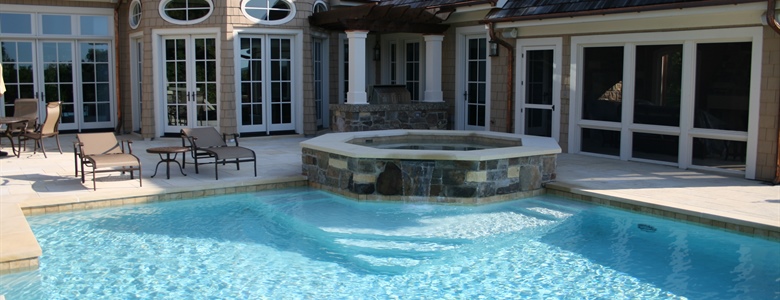
When the snow starts falling, and Minneapolis sinks into another long winter, many homeowners abandon thoughts of outdoor leisure until spring. But for those with a built-in spa, the story doesn’t have to end with the first freeze.
With the right planning and maintenance, your spa can be a cozy retreat no matter how cold it gets. A properly winterized spa offers the ultimate escape from bitter temperatures—a steaming oasis amidst icy surroundings, perfect for quiet evenings or entertaining guests under a snowfall. By staying ahead of the weather, you can enjoy year-round luxury without interruption.
Cold climates like Minneapolis pose unique challenges for outdoor water features. Whether you're concerned about freezing pipes, maintaining optimal water quality, or energy efficiency, there's a science to keeping your spa operational in winter. As a leader in outdoor luxury living, MH3 Design Group understands the complexities of spa performance in sub-zero conditions. Our experience designing built-in spas tailored to harsh climates offers insights every spa owner should know.
If you've ever wondered whether your spa can thrive through a Minneapolis winter, the answer is yes, with the right approach. Let’s break down exactly how to do it!
Winterizing Your Built-In Spa: Essential Steps for Seasonal Protection
Winterizing a built-in spa in Minneapolis is a multi-phase process designed to prevent damage caused by freezing temperatures. It starts with a thorough system flush to eliminate biofilm, scale, and contaminants from plumbing lines.
This includes applying a spa system cleaner at least 24 hours before draining. Once the water is drained, every component — jets, filters, blowers, pumps — must be purged and dried completely to prevent moisture from freezing and cracking internal parts. All water should be removed from the heater, plumbing lines, and pump using a wet/dry vacuum or compressed air. Any water left behind can freeze, expand, and cause costly damage.
Next, attention shifts to the mechanical elements. Electrical components should be inspected for signs of wear or corrosion, and exposed pipes must be insulated with heat tape or foam sleeves to mitigate the risk of freezing. Covering the control panel is critical if the spa is not operational during the winter months.
For those who choose to keep the spa running, a freeze protection system should be engaged. This function activates the pump and heater when temperatures drop, keeping water circulating and warm enough to prevent freezing. Ensure the thermostat is calibrated properly and sensors are functional before relying on this mode.
Owners with spas built by professionals like MH3 Design Group’s built-in spas often benefit from integrated drainage systems and insulated bases that simplify winterization. Regardless of design, applying a non-toxic antifreeze approved for spas in low points and pump housings is a final safety step when completely deactivating the system. Proper winterization is not only a safeguard against damage but also preserves the spa’s longevity, functionality, and aesthetics.
Top Spa Covers for Winter: Maximizing Heat Retention and Protection
In a cold-weather city like Minneapolis, a spa cover is more than a lid — it’s a critical thermal barrier. The most effective winter spa covers are high-density foam core models with a vapor barrier wrap and marine-grade vinyl. A minimum of 1.5 lb. foam density with 5-inch to 3-inch tapered insulation helps trap rising heat while allowing snow and moisture to slide off. Double-stitched seams and reinforced handles increase durability, especially under snow load. The cover should fit tightly around the spa’s lip, forming a seal that minimizes evaporative heat loss and blocks wind intrusion.
Advanced models may include features such as heat-sealed hinges and insulated skirts, which prevent heat leakage at edges and joints. Some options also incorporate a center steel beam for added strength. In climates where ice accumulation is common, investing in a spa cover cap or all-weather protector can extend the life of the main cover. Covers should always be paired with cover lifts, which allow for safe removal and reduce unnecessary wear during daily use.
To complement their luxury spas, MH3 Design Group frequently incorporates high-performance winter covers that integrate seamlessly with spa hardscapes and decks. Choosing a well-insulated, climate-rated cover not only protects internal components but also reduces heating costs by up to 50% during winter. Regular maintenance of the cover — clearing snow, checking for waterlogging, and conditioning the vinyl — ensures ongoing effectiveness throughout the season.
Maintaining Heating Efficiency in Cold Climates
Maintaining heating efficiency in freezing temperatures starts with consistent system performance and insulation. Energy-efficient spa heaters, particularly those equipped with titanium elements or full-flow heating systems, are preferred for their ability to maintain steady temperatures without overworking. Systems should be calibrated to hold temperatures between 100°F and 104°F with minimal fluctuation. A variable-speed pump also contributes to efficiency, offering precise flow rates for circulation and heating without excessive energy draw.
Insulation plays a major role. Full-foam insulation surrounding the spa shell and cabinet traps radiant heat, reducing the load on the heater. Similarly, insulated plumbing lines retain temperature better than uninsulated ones. Monitoring water temperature via digital controls ensures consistent performance. Any unusual temperature drops may signal issues with flow rate, heating element corrosion, or sensor failure. Regular inspection of the spa’s circulation system, heater, and thermostat is recommended throughout the winter.
Another overlooked factor is the ambient air temperature within the spa enclosure. Windbreaks like privacy fences, pergolas, or thermal enclosures can reduce cold air exposure. Heat retention is further supported by efficient spa covers and prompt replacement of worn seals and gaskets. These combined strategies maintain not only comfort but also reduce the operational cost of winter spa use.
Winter Water Quality Management for Built-In Spas
Maintaining spa water quality during the winter requires strategic monitoring and chemical balance. Cold temperatures slow down chemical reactions, which means sanitizers like bromine or chlorine may remain active longer, but that doesn't eliminate the need for regular testing. Weekly water testing for pH, total alkalinity, calcium hardness, and sanitizer levels ensures that your water remains safe and stable. A pH range between 7.4 and 7.6, along with an alkalinity range of 80 to 120 ppm, is optimal for preventing scale or corrosion in extreme cold.
Filtration also plays a key role in water clarity and cleanliness. Filters should be cleaned monthly during winter use, or more frequently if the spa sees heavy activity. A dirty filter restricts flow and reduces heating efficiency, putting strain on the pump. Circulation pumps should be run daily to maintain water movement, prevent stagnation, and ensure that sanitizers are effectively distributed. Many modern systems include programmable settings that automate these cycles.
Shock treatments should be applied after heavy usage or as part of a biweekly routine to oxidize contaminants. Enzyme-based treatments are also beneficial in cold weather, breaking down organic waste without affecting the chemical balance. If the spa is not in use but remains filled and heated, consider using a floating dispenser with slow-dissolving sanitizer tablets. Consistent maintenance avoids water quality issues that could damage internal components or lead to draining and refilling during freezing weather.
Using Your Spa During Extreme Cold: Safety and Comfort Considerations
When temperatures drop below zero, using a built-in spa in Minneapolis requires attention to both safety and user comfort. Always monitor wind chill levels in addition to temperature. Wind barriers or insulated spa shelters can make a substantial difference, reducing heat loss from the water surface and providing a more comfortable user experience. Wearing a hat and using a towel wrap upon exiting the spa helps retain body heat and reduce thermal shock. Slippery surfaces around the spa should be treated with anti-slip coatings or textured decking to prevent falls.
Limit sessions to 15–20 minutes during extreme cold to avoid overexposure. Extended soaks in freezing air may increase cardiovascular stress or cause discomfort due to temperature fluctuations. Hydration is also essential, as cold weather can mask symptoms of dehydration. Always exit the spa carefully and dry off thoroughly before returning indoors. Water left on skin can freeze rapidly in subzero temperatures, increasing the risk of frostbite.
From a mechanical perspective, ensure that the spa's freeze protection system is actively engaged and operating correctly. Any interruption to power or water circulation in these conditions can result in rapid freezing of components, which may damage pumps, heaters, or piping. For safety, consider installing a Wi-Fi-enabled spa control system with alerts to notify you of temperature anomalies. Regularly inspect spa covers and seals for any breach in insulation that might affect spa readiness during the coldest days.
Let MH3 Design Group Help You Enjoy Your Spa Year-Round
Owning a built-in spa in Minneapolis doesn’t mean shutting it down when winter arrives. With the right approach, your spa can become a highlight of the colder months, offering comfort, relaxation, and a luxurious escape from freezing conditions.
At MH3 Design Group, our team has helped countless homeowners across the Twin Cities enjoy elegant, custom-built spas that perform reliably all year long. We understand the demands of the Minneapolis climate and design our spas with performance, insulation, and convenience in mind.
If you're planning a new spa installation or need professional insights to make your current spa winter-ready, we’re here to help. Contact MH3 Design Group at 763-400-3944, and our experienced team will walk you through every step of the process. Start planning your year-round spa experience by scheduling your free design consultation today!